






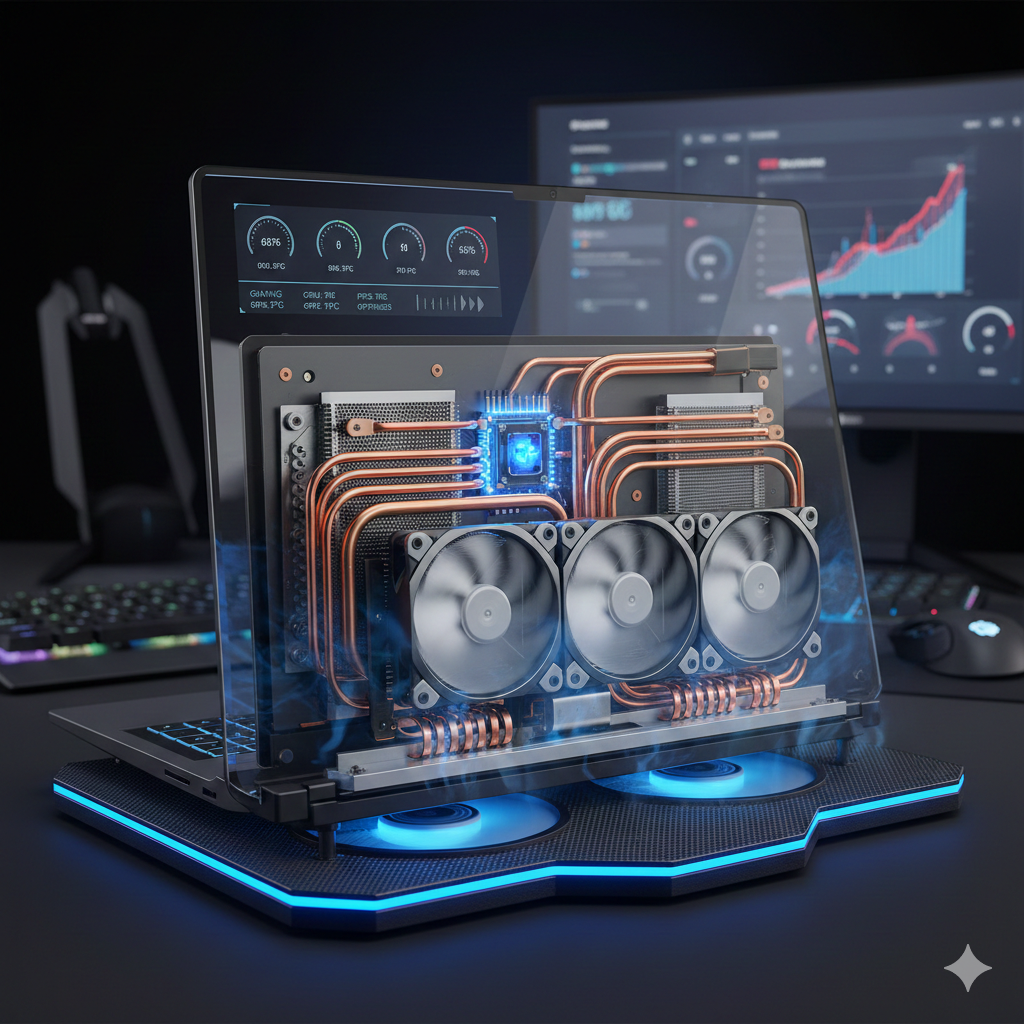
Ultimate Guide: How to Improve Your Gaming Laptop Thermals for Better Gaming Performance
In the fast-paced world of gaming, maintaining optimal performance often hinges on understanding how to improve your gaming laptop thermals. Overheating can lead to throttled performance, decreased lifespan, and even hardware damage, making it crucial for gamers to address thermal management effectively. This ultimate guide delves into the common causes of overheating and provides actionable solutions to ensure your gaming sessions remain smooth and uninterrupted. Whether through hardware upgrades or software monitoring, mastering your laptop’s thermals is essential for unleashing its full potential.
İçerikler
- 1 Understanding Laptop Thermals and Their Importance
- 2 Common Causes of Overheating in Gaming Laptops
- 3 Cooling Solutions: Hardware Upgrades and Modifications
- 4 Optimizing Airflow: Placement and Environment
- 5 Importance of Regular Maintenance and Cleaning
- 6 Utilizing Software Tools for Performance Monitoring
- 7 Overclocking Safely for Enhanced Performance
- 8 Conclusion and Final Tips for Better Gaming
Understanding Laptop Thermals and Their Importance
When it comes to gaming laptops, understanding thermals is crucial. Thermals refer to the heat management system that keeps your laptop cool during demanding tasks. Efficient thermal management not only prolongs your laptop’s lifespan but also significantly enhances gaming performance.
Here are some key reasons why thermals matter:
- Performance Consistency: High temperatures can lead to throttling, causing your laptop to reduce its performance to prevent overheating. This negatively impacts your gaming experience.
- Hardware Longevity: Excessive heat shortens the lifespan of components like the CPU and GPU. Proper cooling helps maintain performance over time.
- User Comfort: An overheating laptop can make it uncomfortable to use. Keeping temperatures in check ensures a pleasant gaming experience.
To effectively understand how to improve your gaming laptop thermals, it’s essential to recognize their importance. A cooler gaming laptop not only performs better but also contributes to a more enjoyable gaming session.

Common Causes of Overheating in Gaming Laptops
Understanding the common causes of overheating is crucial for learning how to improve your gaming laptop thermals. Here are some key factors that contribute significantly to high temperatures:
- High-Performance Components: Gaming laptops often come equipped with powerful CPUs and GPUs that generate heat. Under heavy loads, these components can quickly push thermals beyond acceptable limits.
- Dust Accumulation: Dust can obstruct fans and air vents, drastically reducing airflow. Regular cleaning helps maintain optimal performance and prevent overheating.
- Poor Thermal Paste Application: The thermal paste between the CPU/GPU and their coolers degrades over time. Reapplying quality thermal paste improves conductivity and can help manage temperatures.
- Ineffective Cooling Systems: Not all cooling systems are created equal. Some laptops may have underperforming cooling solutions, leading to inadequate heat dissipation.
- Inadequate Ventilation: When gaming in enclosed spaces or on soft surfaces like beds, airflow gets restricted. Therefore, proper placement is essential to ensure efficient cooling.
By identifying these common causes, you’ll be better equipped to implement solutions for how to improve your gaming laptop thermals effectively.
Cooling Solutions: Hardware Upgrades and Modifications
To effectively improve your gaming laptop thermals, consider implementing various hardware upgrades and modifications. These solutions can significantly reduce heat build-up, enhance performance, and prolong the lifespan of your device. Here are some options you can explore:
- Upgrade Your Cooling System:
- Replace Stock Thermal Paste: High-quality thermal paste improves heat transfer from the CPU and GPU to the heatsink.
- Enhanced Cooling Pads: Invest in a cooling pad that provides additional airflow, creating a cooler environment for your laptop.
- Improve Internal Components:
- Add Additional Fans: If feasible, install more internal fans to promote better airflow throughout the laptop.
- Choose a Larger SSD: Opt for solid-state drives that generate less heat compared to traditional hard drives.
- Consider External Solutions:
- Use a Laptop Stand: Elevating your laptop enhances airflow underneath, helping to maintain lower temperatures.
- Environmental Considerations: Position your laptop in a well-ventilated area to prevent overheating.
Implementing these strategies helps improve your gaming laptop thermals and provides a smoother gaming experience. Remember to always monitor your temperatures after making changes to ensure everything operates efficiently.
Optimizing Airflow: Placement and Environment
To effectively learn how to improve your gaming laptop thermals, you must understand the importance of proper placement and environment. A well-ventilated area can make a significant difference. Here are some key strategies to optimize airflow:
- Use a Hard Surface: Avoid soft surfaces like beds or sofas, which can block vents. Instead, place your laptop on a hard table or desk.
- Elevate Your Laptop: Utilize a laptop stand or cooling pad. This helps to increase airflow underneath, reducing heat buildup.
- Maintain Space: Ensure there is at least a few inches of clearance around the laptop. This allows hot air to escape freely.
- Avoid Direct Heat Sources: Keep your laptop away from heat sources such as radiators or direct sunlight, which can further increase internal temperatures.
Quick Comparison: Placement Impact on Thermal Performance
| Placement Type | Thermals Impact | Airflow Quality |
|---|---|---|
| Soft Surface | Higher temperatures | Blocked |
| Hard Surface | Moderate temperatures | Adequate |
| Elevated Surface | Lower temperatures | Enhanced |
By taking these steps, you can significantly enhance airflow, making it easier to improve your gaming laptop thermals for a smoother gaming experience.

Importance of Regular Maintenance and Cleaning
Regular maintenance and cleaning play a crucial role in how to improve your gaming laptop thermals. Dust accumulation and debris can significantly hinder your laptop’s cooling efficiency. By prioritizing cleanliness, you can achieve a noticeable boost in performance and longevity. Here are some key points to consider:
- Dust Build-up: Over time, dust can clog vents and block airflow. This forces your fans to work harder, leading to increased temperatures.
- Thermal Paste: Reapplying thermal paste every couple of years can enhance heat transfer between your CPU/GPU and their heatsinks, further improving thermals.
- Fan Functionality: Ensure your laptop’s fans are functioning properly. Non-working fans will severely affect thermal management.
Regular Cleaning Tips:
- Frequency: Clean your laptop every 3-6 months to maintain optimal airflow.
- Use Compressed Air: Blow out dust from vents and fans to prevent overheating.
- Surface Cleaning: Wipe down the exterior and keyboard with a microfiber cloth to remove grime.
By emphasizing regular maintenance and cleaning, you enhance your chances of effective thermal management and better overall gaming performance. This is essential when considering how to improve your gaming laptop thermals for an enjoyable gaming experience.
Utilizing Software Tools for Performance Monitoring
To truly master How to Improve Your Gaming Laptop Thermals, utilizing software tools for performance monitoring is essential. These applications help you track temperature, CPU load, GPU performance, and system resources in real-time. Here’s how they contribute to effective thermal management:
- Identify Hotspots: Use temperature monitoring tools like HWMonitor or Core Temp to identify which components overheat.
- Monitor Usage: Tools such as MSI Afterburner or EVGA Precision X1 display real-time stats on CPU and GPU usage, helping pinpoint performance bottlenecks.
- Track Changes: By recording and analyzing data, you can see the impact of different cooling solutions or game settings, making it easier to optimize.
- Set Alerts: Many software solutions allow you to set temperature thresholds. If your system exceeds these limits, you’ll receive alerts to take immediate action.
Essential Tools to Consider:
| Tool Name | Functionality | Price |
|---|---|---|
| HWMonitor | Temperature monitoring | Free |
| MSI Afterburner | Real-time performance tracking | Free |
| EVGA Precision X1 | Overclocking and monitoring | Free |
By leveraging these tools, you can significantly enhance your understanding of How to Improve Your Gaming Laptop Thermals, ultimately boosting your overall gaming performance.
Overclocking Safely for Enhanced Performance
Overclocking can significantly boost your gaming laptop’s performance, but you must proceed with caution. Many gamers wonder how to improve your gaming laptop thermals when overclocking, as the process raises heat output. Follow these essential guidelines:
- Know Your Limits: Research your laptop’s hardware capabilities, including the CPU and GPU. Each component can handle different overclocking limits.
- Use Reliable Software: Utilize reputable overclocking tools like MSI Afterburner or Intel XTU. These applications allow for precision control of clock speeds and voltages.
- Monitor Temperatures: Regularly check temperatures using software like HWMonitor. Ensure they remain within safe ranges to avoid thermal throttling or damage.
- Gradual Increments: Increase clock speeds in small increments. Test for stability and thermals before proceeding further.
- Benchmark Your Performance: After each adjustment, run benchmarking tests to measure improvements without pushing your system too far.
By being cautious and informed, you can safely overclock your gaming laptop, effectively improving your gaming experience and efficiently addressing how to improve your gaming laptop thermals.
Conclusion and Final Tips for Better Gaming
In conclusion, ensuring optimal thermals is vital for enhancing your gaming experience. By understanding how to improve your gaming laptop thermals, you unlock the full potential of your device. Here are some final tips:
- Regular Maintenance: Clean your laptop periodically to remove dust, which can obstruct airflow and increase heat.
- Optimal Placement: Keep your laptop on a hard, flat surface to promote better airflow. Avoid using it on blankets or cushions.
- Performance Monitoring: Utilize software tools to keep an eye on your CPU and GPU temperatures, adjusting settings as necessary.
- Careful Overclocking: If you choose to overclock your laptop, do so cautiously and ensure your cooling system can handle the additional heat.
- Cooling Pads: Invest in a quality cooling pad to further reduce temperatures during intense gaming sessions.
By implementing these strategies, you can significantly improve your gaming performance and gameplay experience. Remember, maintaining your gaming laptop’s thermals is crucial; it’s not just about speed, but also about sustainability and longevity.